Ofwat sets expectations for smart water meter customers
Smart water meter customers should receive useful consumption data, understandable advice and timely alerts when something needs attention, according to a framework published by Ofwat on 25 November. It is intended to make the service around a smart meter more consistent, not just the installation itself.
What should customers receive?
Ofwat's framework groups the minimum customer experience into five areas: accessible data and insight; clear and trusted information; support to understand and act; timely, meaningful alerts; and consistent delivery and accountability.
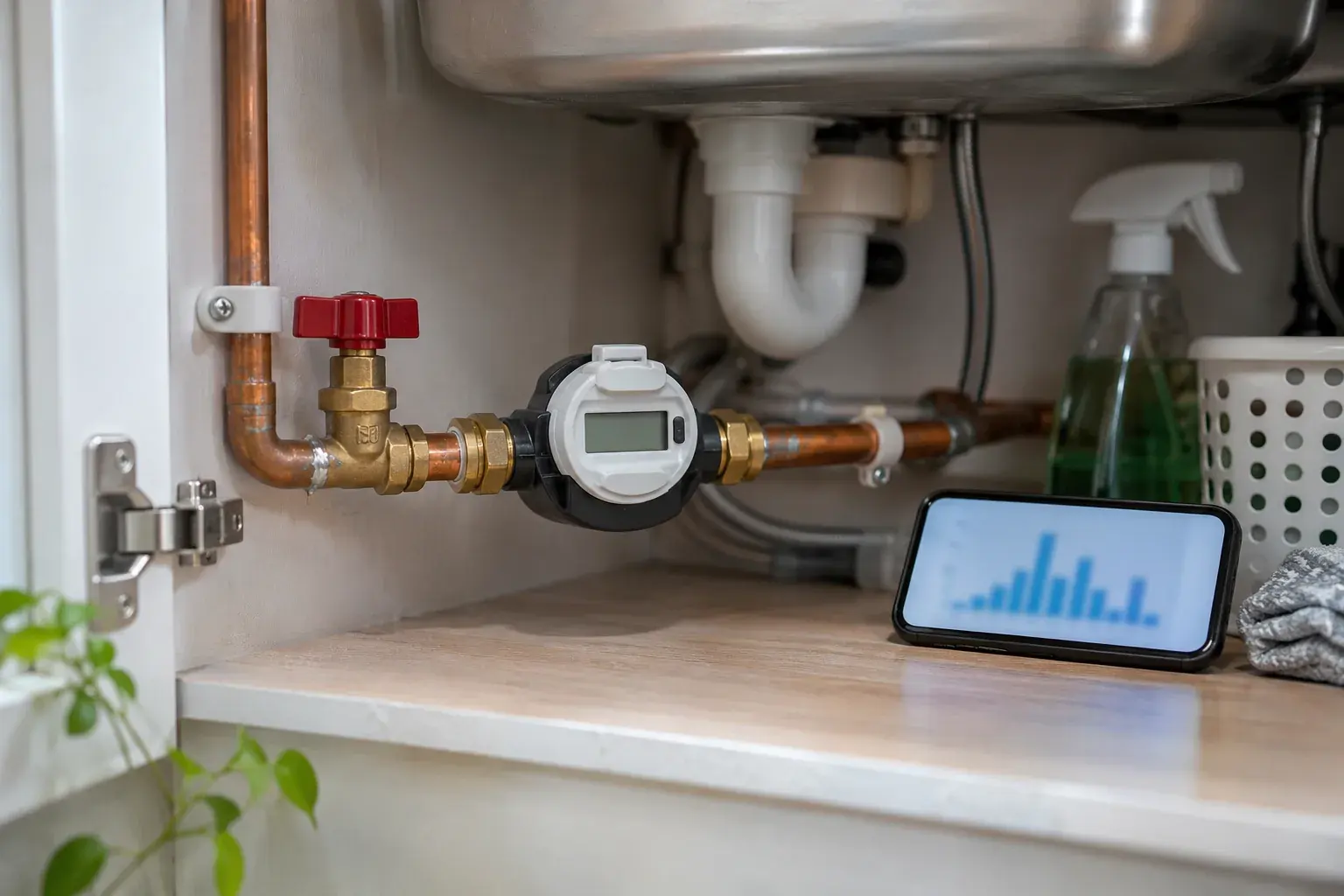
In practice, a smart meter should do more than send readings to the water company. Customers need a workable way to see what they use, understand unusual patterns and know what to do if the data suggests a leak or unusually high consumption.
Source: Ofwat's Smart Water Metering Minimum Customer Expectations, published 25 November 2026.
The framework is not a new legal guarantee
Ofwat describes the document as a shared framework and encourages companies, retailers and other organisations to use it as a reference point. It does not announce a statutory service standard, an automatic bill reduction or compensation when a company falls short.
Companies can also choose how they deliver the service. That means one supplier may use an app while another uses an online account, email or text alerts. If you already have a smart meter, check what data and alerts your own company makes available and whether any leak notification requires you to opt in.
Source: Ofwat: smart meter delivery, rollout figures and the status of the shared framework.
Why the customer service matters now
Ofwat says water companies will invest about £1.7 billion to install or upgrade 10.4 million smart meters in homes and businesses between 2025 and 2030. Around half of homes and businesses in England are expected to have one by 2030, although rollout schedules vary by company and area.
A smart meter records use automatically several times a day and sends readings to the water company. The information can help identify a continuous flow that may be a leak and makes estimated readings less likely, but it does not repair a leak or guarantee that a household will use less water.
The framework concerns companies regulated by Ofwat in England and Wales. Scotland and Northern Ireland have different water systems, so customers there should use information from Scottish Water or NI Water rather than assume the same rollout or expectations apply.
Source: Ofwat guide to how household smart water meters work.
Sources
Sources checked on 25 November 2026.
Related guide: How to read your water meter.